


If you run DnD, you know this feeling. You spend hours building a dramatic NPC and your players forget them in five minutes. Then a random guard you made up in ten seconds becomes the star of the campaign.
The good news is that fun NPCs do not need long prep. They need a clear idea, one or two strong details and a simple way to bring them to life at the table. In this guide you will see fast methods, ready to use tools and small tricks you can apply in almost every session, even when you are tired and short on time.

Why fun NPCs in DnD matter
NPCs are the social engine of DnD. They hand out quests, share rumours, argue, flirt, lie, and sometimes save the party. Players often remember the character who made them laugh or cry more than they remember the exact rules of a spell.
A few good NPCs can:
- make your world feel alive and connected
- turn simple locations into favourite places
- show the results of player choices
- tie different adventures together
You do not need fifty deep characters. You only need a small group of clear, fun faces that keep returning.
The 3 line method for fast NPCs in DnD
At some point in almost every session, a player asks: “So, who runs this place?” You do not have time to write a full character sheet. You need someone you can play right now.
Use this simple three line method:
- Appearance – what the characters notice first
- Personality – how the NPC behaves
- Purpose – why this person is in the scene
Example:
- Appearance: short dwarf with a burned beard and shiny new boots
- Personality: very polite, laughs at his own jokes, a bit too loud
- Purpose: sells tools and wants someone to test his strange new pickaxe
That is enough to start. This NPC is easy to describe, easy to roleplay and already has something they want. If your players love him, you can add history and stats later. If they ignore him, you have lost less than a minute of prep.
Quirks and flaws: simple hooks for every NPC in DnD
Most players do not remember “elf, wizard, neutral good”. They remember “wizard who is afraid of pigeons”. The brain loves strong pictures and odd behaviours. So each important NPC should have one clear hook.
It can be:
- a way of speaking, like always whispering or never finishing sentences
- a behaviour, like writing everything down, even gossip and weather
- an odd habit, like counting coins three times before any deal
- a weakness, like believing every compliment
This one detail makes the NPC:
- easy to play for you
- easy to recognise for the table
- perfect for quick jokes and small scenes
Flaws work very well here. A mighty knight who faints at the sight of blood, a famous hunter who cannot swim, or an archmage who is obsessed with invisible spies all turn into fun characters without extra rules. A flaw gives your players something to react to and creates moments they will talk about later.
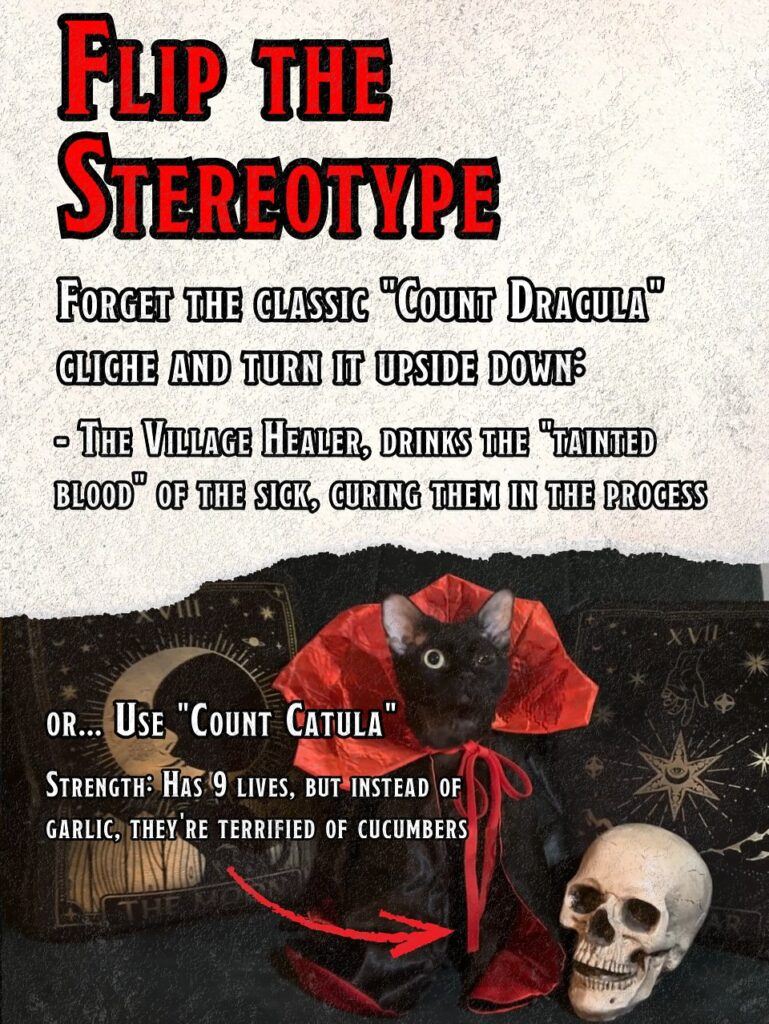
Borrow personalities from stories for NPCs in DnD
You do not have to invent every NPC from nothing. It is much easier to borrow a personality from a film, series, game or book and change it a little to fit DnD.
Ask yourself a simple question: who from your favourite stories would be fun to drop into this scene?
For example:
- a tavern owner who acts like an overly cheerful TV host
- a priest who talks like a strict school teacher
- a thief who has the manners of a polite diplomat
Take that character, change their name, role and maybe gender or race, and you already have a clear NPC. You are not copying their whole story, only the energy and style. Because you know how they speak and react, you can improvise with less stress.
Different game masters use this trick in different ways, but the main risk is leaning too hard on one popular character so that your table feels like a copy of a TV show. The simple fix is to always change at least one big thing so that your NPC becomes their own person over time.
Tools and EverOn support for NPCs in DnD
Modern Dungeon Masters do not have to work alone. There are many tools that speed up creating NPCs in DnD so that you can spend more time actually playing.
Useful options include:
- online name generators and random NPC generators
- tables with appearance, quirks and goals in books and PDFs
- printable NPC cards you can keep behind your screen
You can also use ready made material instead of starting from a blank page. Adventure packs, encounter collections and campaign books often come with a full cast of NPCs you can lift straight into your own world.
On everongames.com you can link this article to your internal resources, like your adventure lists, encounter packs and guides for running DnD. A post about fun NPCs works well together with content that gives ready to use locations and plots. External links to tools like name generators or DM advice blogs are also helpful for readers who want even more support.
The key idea is simple: use tools to handle the boring part and keep your energy for the conversations at the table.
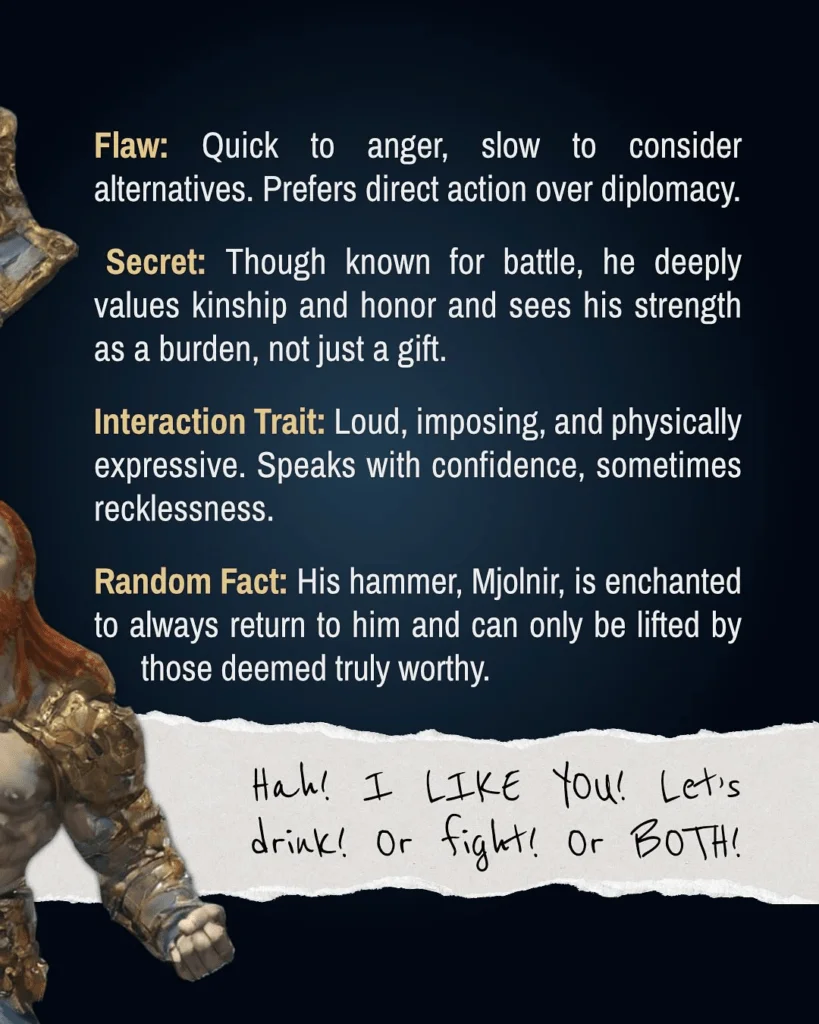
Common problems with NPCs in DnD and quick fixes
Even experienced DMs run into the same issues again and again when building NPCs. Here are three common problems and simple ways to solve them.
1. Players ignore your “big” NPC
Problem: you spend hours writing a deep backstory for one NPC and the party barely speaks to them.
Solution: treat early meetings as tests. In one session, introduce several light characters using the three line method. Watch who the players talk about, joke about or argue with. Those are the ones you keep and develop. The rest stay in the background.
2. Every NPC sounds the same
Problem: all your NPCs use the same tone and rhythm, so scenes blur together.
Solution: for each new character pick one strong slider and move it far. They can speak very fast or very slow, very soft or very loud, be very formal or very rude. You do not need a perfect accent. You need one clear choice that you can hold for a whole scene.
3. You lose track of who is who
Problem: after a few months you cannot remember which NPC did what.
Solution: after each session, write two or three bullet points for any person who might return. Note their role, their hook and what happened last time. Before a new game, scan this list for a minute. This small habit keeps your world consistent and makes recurring faces feel planned, not random.
Turning NPCs in DnD into player favourites
Once you have a basic cast, you can turn some NPCs in DnD into long term favourites.
Good practices include:
- Give them a simple goal. Maybe the blacksmith wants to open a second shop, or the young guard wants to prove herself.
- Show change over time. If the party helps an NPC, let their life improve. If they harm them, show the damage.
- Bring them back in new roles. The same bard can be a tavern singer in one arc, a royal messenger in the next and a rebel leader much later.
Think of NPCs like background actors who sometimes steal the scene. They support the story of the player characters but can still have their own small arcs. Different tables like different tones, so watch what your group responds to. If they quote a certain NPC after the session, you know you have found someone worth keeping.
The future of NPCs in DnD
The way we create NPCs in DnD is already changing and will probably change more in the next few years. Digital tools are getting better at suggesting names, quirks and goals that fit your setting. Some campaign managers track relationships between the party and each recurring character automatically. Printed products, like encounter boxes and adventure paths, now come with stronger and more diverse supporting casts so that you do not have to invent everything alone.
There is also more attention on inclusive worlds and on avoiding flat stereotypes. That pushes DMs to think a little deeper about the background of their NPCs, even when they use fast methods. The balance will likely stay the same: light, flexible prep supported by smart tools, plus a few key characters who get more attention because players care about them.
For a site like everongames.com this future means more space for focused tools: small, practical articles, ready to run encounters and libraries of NPCs that can drop into any game with minimal work.
Summary: a simple system for fun NPCs in DnD
You do not need long, stressful prep to create fun NPCs in DnD. What you need is a repeatable system. Use three short lines to sketch each person, give important ones one strong hook and one flaw, and borrow energy from stories and people you already know. Support yourself with generators, cards and the ready made NPCs in your own products and blog posts.
Then watch how your players react. Build up the characters they talk about and let the rest fade into the crowd. Over time you will get a living cast of shopkeepers, rivals, mentors and fools who make your world feel rich without draining your free time.
Start with just one new NPC in your next DnD session. Give them a clear look, a funny or touching quirk and a small personal goal. That is enough to turn another empty tavern into a place your players remember, and enough to prove that creating great NPCs can be fast, light and fun.
